A Lady and Her Husband

PREFACE BY SAMANTHA ELLIS
362pp
ISBN 9781910263068
'Political it may be, but this is no clunking treatise on industrial relations... a page-turner as witty and spiky as I imagine its author to have been – think Erica Jong in a hobble skirt.' (Country Life)
The plot of A Lady and her Husband is straightforward but unusual. Mrs Heyham’s daughter leaves home to get married and suddenly she is left with no family and nothing to do (the servants ensure that she does no work in the house, for it would be another 25 years before middle-class women realised they could ‘Run Your Home Without Help’, PB no. 62). The daughter, who is young and modern in outlook, suggests that her mother takes more interest in the family business. As Ford Madox Ford (author of Parade’s End and The Good Soldier) wrote in his review of this ‘very clever and very observant book’ in March 1914: ‘It shows us the household of a great employer of labour, a constructive genius in the realms of tea shops. He is honest, buoyant, persevering, unbeatable, and he gives the public excellent poached eggs, unrivalled cups of tea, pure butter, and wholesome bread.
‘His wife is just a normal woman, leading a sheltered life under the protection of her husband’s comfortable fortune. But when she finds an occupation in the study of her husband’s female employees in the tea shops, she discovers that these poor creatures are wretchedly underpaid; that they have to stand for too long hours; that they have to eat their meals in damp cupboards.’
‘The most curious and interesting section of this novel,’ Margaret Drabble has written in a piece about Amber Reeves, ‘comes towards the end, when Mary Heyham leaves home secretly in order to think things through. With a sense that “her intellectual life was only beginning” she takes a small flat in Chelsea, where, for a week, she battles with such works as The Shareholder’s Guide to Company Law. And she is very happy in her flat, where nobody can find her. Far from being frightened by the solitude, she rejoices in it.’ (Indeed, Samantha Ellis in her Persephone Preface wonders whether this part of the novel might have had some influence on A Room of One’s Own.)
A Lady and Her Husband is extremely readable with a moving and insightful portrait of a marriage at the heart of it. Nor is the insight surprising, coming from ‘a girl of brilliant and precocious promise’ by HG Wells (his real words this time). Famously, he wrote about Reeves in 1909 as the eponymous Ann Veronica in which he portrayed a 21-year-old bluestocking who studies biology, gets swept up in politics, but then at the end marries her older teacher, telling him; ‘“I say, you are rather the master, you know.”’
HG Wells and Amber Reeves had had a serious affair while she was still a Cambridge undergraduate, and he encouraged her writing. Yet, as Samantha Ellis writes in the Preface, in the novel, Amber Reeves ‘is also saying that no one has to be buried by marriage. She is proving Wells wrong. He couldn’t let go of his idea that he was the most exciting thing ever to happen to Amber. A Lady and Her Husband shows that no one subsides for good. Mary Heyham remembers who she is, becomes brave again, and curious, and humane... The book is a quiet but brilliant retort to Ann Veronica.’
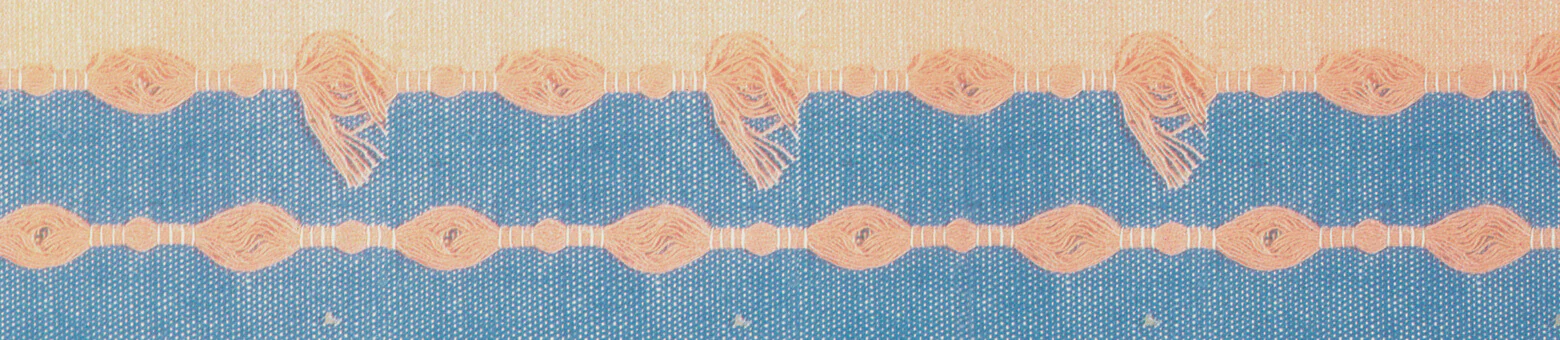
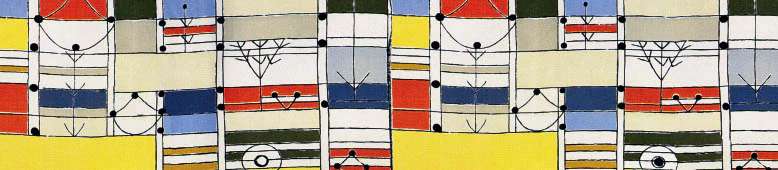
Endpaper
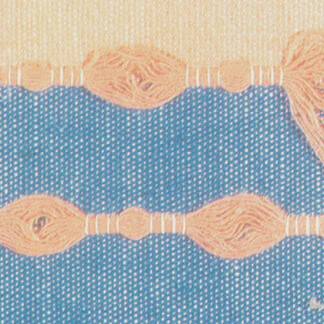
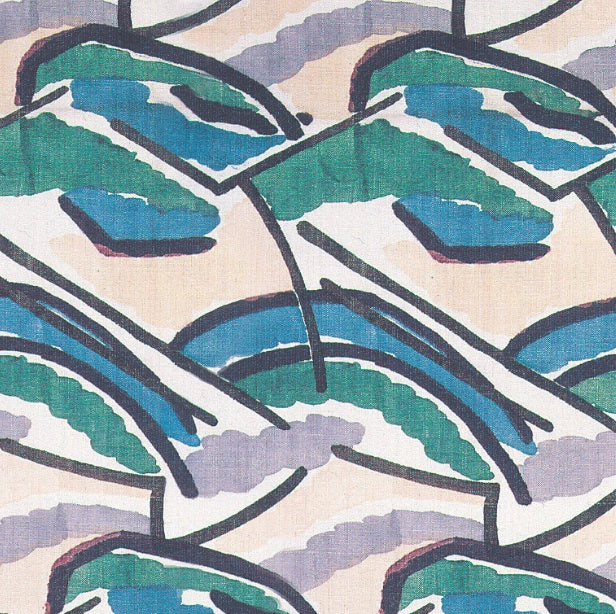
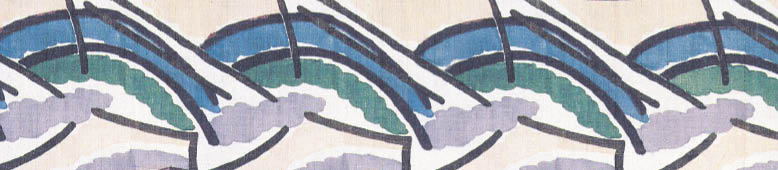
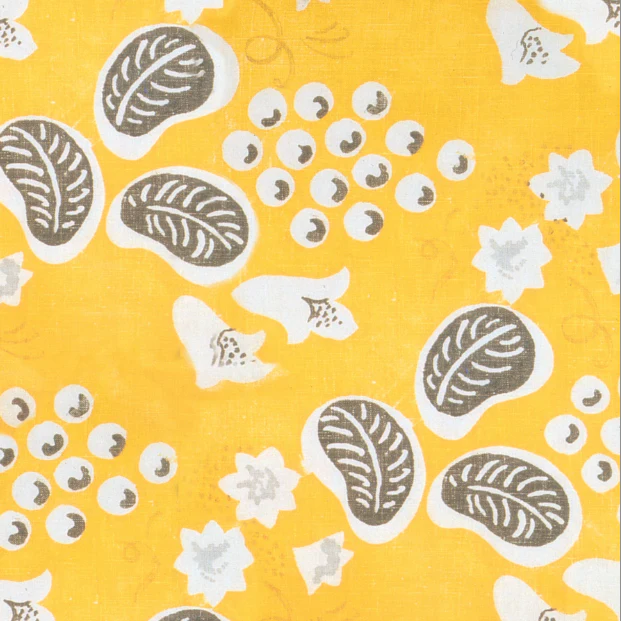
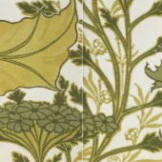
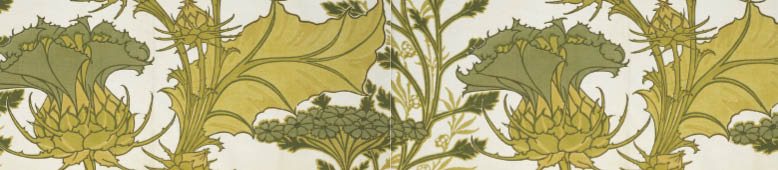
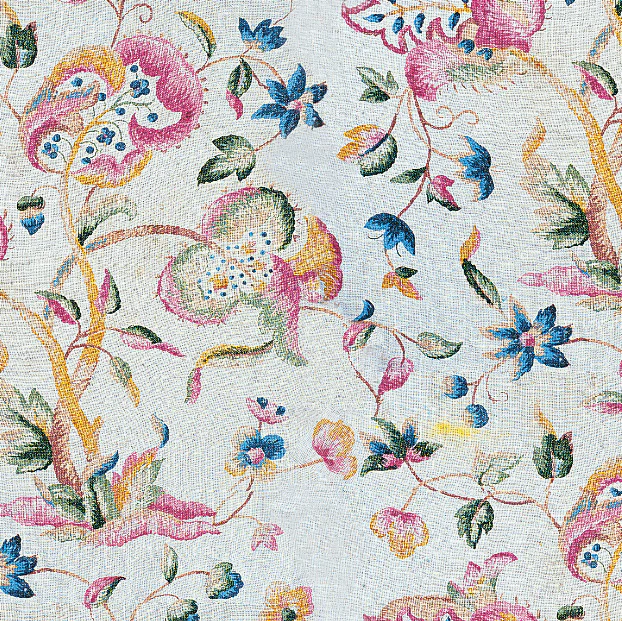
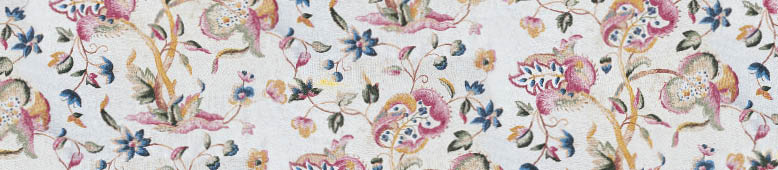
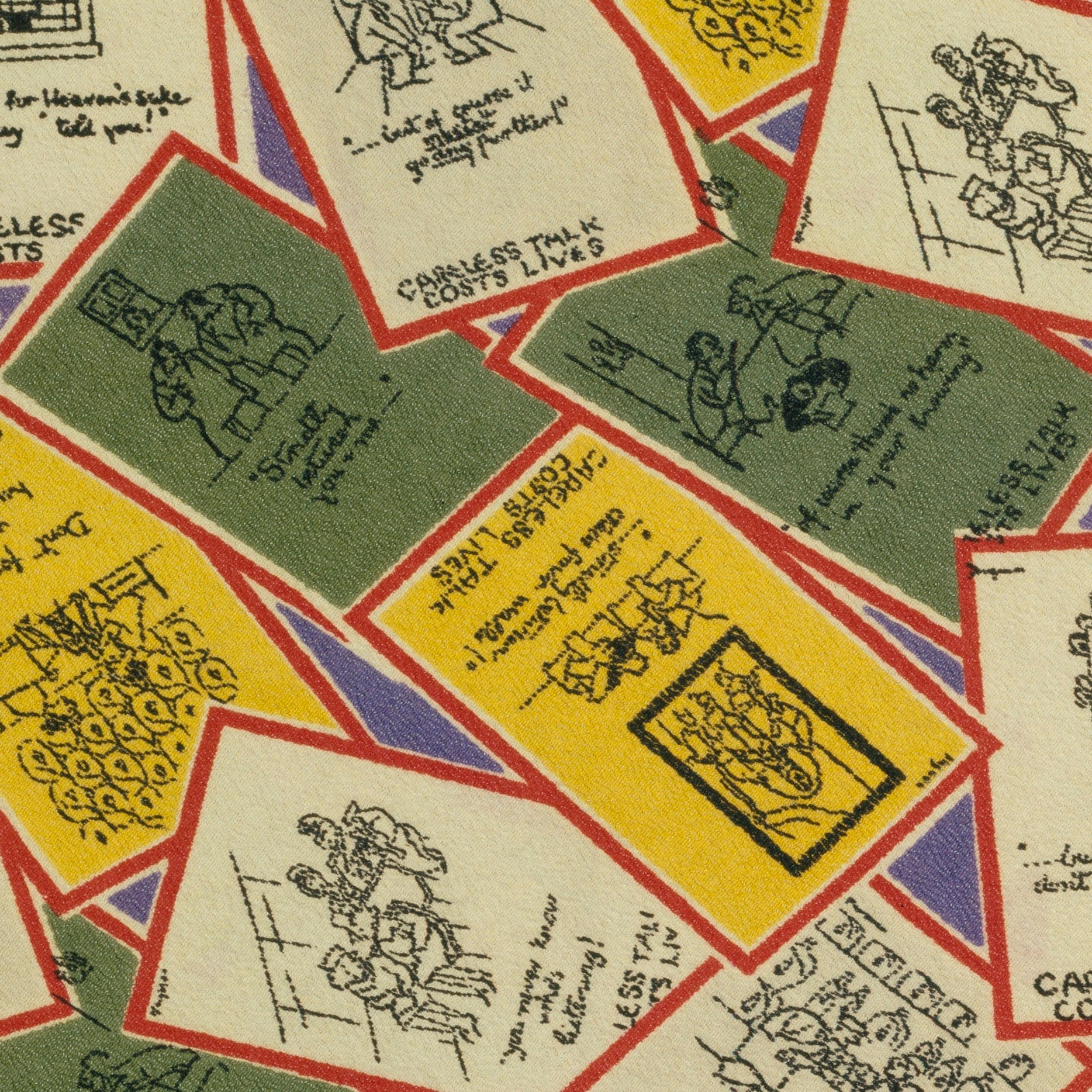
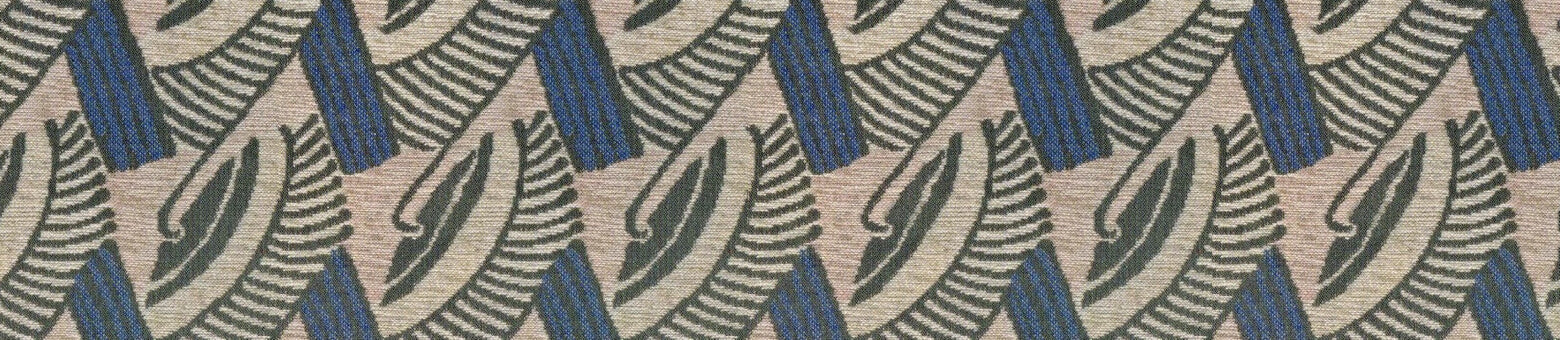
Taken from "Cracow', a jacquard woven wool and linen by Roger Fry for the Omega Workshop 1913 © V and A Images
Picture Caption
Lyons Teashop Girls
Original: $53.62
-65%$53.62
$18.77More Images
A Lady and Her Husband
PREFACE BY SAMANTHA ELLIS
362pp
ISBN 9781910263068
'Political it may be, but this is no clunking treatise on industrial relations... a page-turner as witty and spiky as I imagine its author to have been – think Erica Jong in a hobble skirt.' (Country Life)
The plot of A Lady and her Husband is straightforward but unusual. Mrs Heyham’s daughter leaves home to get married and suddenly she is left with no family and nothing to do (the servants ensure that she does no work in the house, for it would be another 25 years before middle-class women realised they could ‘Run Your Home Without Help’, PB no. 62). The daughter, who is young and modern in outlook, suggests that her mother takes more interest in the family business. As Ford Madox Ford (author of Parade’s End and The Good Soldier) wrote in his review of this ‘very clever and very observant book’ in March 1914: ‘It shows us the household of a great employer of labour, a constructive genius in the realms of tea shops. He is honest, buoyant, persevering, unbeatable, and he gives the public excellent poached eggs, unrivalled cups of tea, pure butter, and wholesome bread.
‘His wife is just a normal woman, leading a sheltered life under the protection of her husband’s comfortable fortune. But when she finds an occupation in the study of her husband’s female employees in the tea shops, she discovers that these poor creatures are wretchedly underpaid; that they have to stand for too long hours; that they have to eat their meals in damp cupboards.’
‘The most curious and interesting section of this novel,’ Margaret Drabble has written in a piece about Amber Reeves, ‘comes towards the end, when Mary Heyham leaves home secretly in order to think things through. With a sense that “her intellectual life was only beginning” she takes a small flat in Chelsea, where, for a week, she battles with such works as The Shareholder’s Guide to Company Law. And she is very happy in her flat, where nobody can find her. Far from being frightened by the solitude, she rejoices in it.’ (Indeed, Samantha Ellis in her Persephone Preface wonders whether this part of the novel might have had some influence on A Room of One’s Own.)
A Lady and Her Husband is extremely readable with a moving and insightful portrait of a marriage at the heart of it. Nor is the insight surprising, coming from ‘a girl of brilliant and precocious promise’ by HG Wells (his real words this time). Famously, he wrote about Reeves in 1909 as the eponymous Ann Veronica in which he portrayed a 21-year-old bluestocking who studies biology, gets swept up in politics, but then at the end marries her older teacher, telling him; ‘“I say, you are rather the master, you know.”’
HG Wells and Amber Reeves had had a serious affair while she was still a Cambridge undergraduate, and he encouraged her writing. Yet, as Samantha Ellis writes in the Preface, in the novel, Amber Reeves ‘is also saying that no one has to be buried by marriage. She is proving Wells wrong. He couldn’t let go of his idea that he was the most exciting thing ever to happen to Amber. A Lady and Her Husband shows that no one subsides for good. Mary Heyham remembers who she is, becomes brave again, and curious, and humane... The book is a quiet but brilliant retort to Ann Veronica.’
Endpaper
Taken from "Cracow', a jacquard woven wool and linen by Roger Fry for the Omega Workshop 1913 © V and A Images
Picture Caption
Lyons Teashop Girls
Product Information
Product Information
Shipping & Returns
Shipping & Returns
Description
PREFACE BY SAMANTHA ELLIS
362pp
ISBN 9781910263068
'Political it may be, but this is no clunking treatise on industrial relations... a page-turner as witty and spiky as I imagine its author to have been – think Erica Jong in a hobble skirt.' (Country Life)
The plot of A Lady and her Husband is straightforward but unusual. Mrs Heyham’s daughter leaves home to get married and suddenly she is left with no family and nothing to do (the servants ensure that she does no work in the house, for it would be another 25 years before middle-class women realised they could ‘Run Your Home Without Help’, PB no. 62). The daughter, who is young and modern in outlook, suggests that her mother takes more interest in the family business. As Ford Madox Ford (author of Parade’s End and The Good Soldier) wrote in his review of this ‘very clever and very observant book’ in March 1914: ‘It shows us the household of a great employer of labour, a constructive genius in the realms of tea shops. He is honest, buoyant, persevering, unbeatable, and he gives the public excellent poached eggs, unrivalled cups of tea, pure butter, and wholesome bread.
‘His wife is just a normal woman, leading a sheltered life under the protection of her husband’s comfortable fortune. But when she finds an occupation in the study of her husband’s female employees in the tea shops, she discovers that these poor creatures are wretchedly underpaid; that they have to stand for too long hours; that they have to eat their meals in damp cupboards.’
‘The most curious and interesting section of this novel,’ Margaret Drabble has written in a piece about Amber Reeves, ‘comes towards the end, when Mary Heyham leaves home secretly in order to think things through. With a sense that “her intellectual life was only beginning” she takes a small flat in Chelsea, where, for a week, she battles with such works as The Shareholder’s Guide to Company Law. And she is very happy in her flat, where nobody can find her. Far from being frightened by the solitude, she rejoices in it.’ (Indeed, Samantha Ellis in her Persephone Preface wonders whether this part of the novel might have had some influence on A Room of One’s Own.)
A Lady and Her Husband is extremely readable with a moving and insightful portrait of a marriage at the heart of it. Nor is the insight surprising, coming from ‘a girl of brilliant and precocious promise’ by HG Wells (his real words this time). Famously, he wrote about Reeves in 1909 as the eponymous Ann Veronica in which he portrayed a 21-year-old bluestocking who studies biology, gets swept up in politics, but then at the end marries her older teacher, telling him; ‘“I say, you are rather the master, you know.”’
HG Wells and Amber Reeves had had a serious affair while she was still a Cambridge undergraduate, and he encouraged her writing. Yet, as Samantha Ellis writes in the Preface, in the novel, Amber Reeves ‘is also saying that no one has to be buried by marriage. She is proving Wells wrong. He couldn’t let go of his idea that he was the most exciting thing ever to happen to Amber. A Lady and Her Husband shows that no one subsides for good. Mary Heyham remembers who she is, becomes brave again, and curious, and humane... The book is a quiet but brilliant retort to Ann Veronica.’
Endpaper
Taken from "Cracow', a jacquard woven wool and linen by Roger Fry for the Omega Workshop 1913 © V and A Images
Picture Caption
Lyons Teashop Girls