A Writer’s Diary

PREFACE BY LYNDALL GORDON
392pp
ISBN 9781903155882
Virginia Woolf’s A Writer's Diary, first published in 1953, consists of extracts from the diaries she kept from 1918-41, gathered together by her husband Leonard Woolf to show her in the act of writing, when ‘she reveals, more nakedly perhaps than any other writer has done, the exquisite pleasure and pains... of artistic creation.’
Because this is a writer’s diary – when Leonard Woolf went through the thirty manuscript volumes, which would then be published in full in five printed volumes between 1977 and 1984, he only selected passages that related to her intellectual life. The reason he did this – and it seems extraordinary looking back over sixty years – is that he wished to restore Virginia Woolf ’s reputation as a serious writer, since it was then at a very low ebb.
Famously, Virginia Woolf's work was not read by the general public or taught in schools or universities in the 1960s. Although there had been some critical books on her, for example Winifred Holtby’s in the 1930s and Joan Bennett’s in the 1940s, she was not rated. Few people read her, few literary critics were interested in her, and the general perception of her nowadays as the most important female writer of the twentieth century, perhaps the most important writer of the twentieth century, would have astonished her and astonished her husband.
But although edited in the early 1950s, and although to some extent superseded by the complete five volumes of diaries, A Writer's Diary remains a crucial book. Yet like Etty Hillesum’s An Interrupted Life, Persephone Book No.5 and like Katherine Mansfield’s Journal, Persephone Book No. 69, the diary was obviously not written in order to be read straight through, indeed none of these three volumes were written as a book: all are compilations by later editors.
‘Here,’ writes Lyndall Gordon in her Persephone Preface, ‘assembled in the ready compass of A Writer's Diary, is all that brings Virginia Woolf to the brink of her works, from the age of 36 in 1918 when she is writing her second novel, Night and Day, until the age of 59 in 1941 when she is completing her last novel, Between the Acts. What happens “between the acts” can be as fascinating as a polished work or platform speech: it’s the unseen drama of making, with its struggles and breakthroughs.
‘Rereading A Writer's Diary thirty years on, I’m struck by its concentration on acts of greatness day by day, year by year. In the full diary the creative acts are inevitably dispersed because she’s recording much else. So it is that as a distillation of the creator’s relation to her creation, as well as to her critics and public, A Writer's Diary is a masterpiece in its own right.’
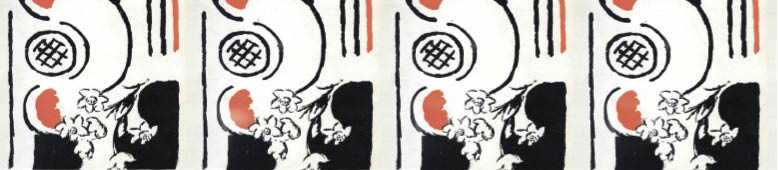
Endpaper
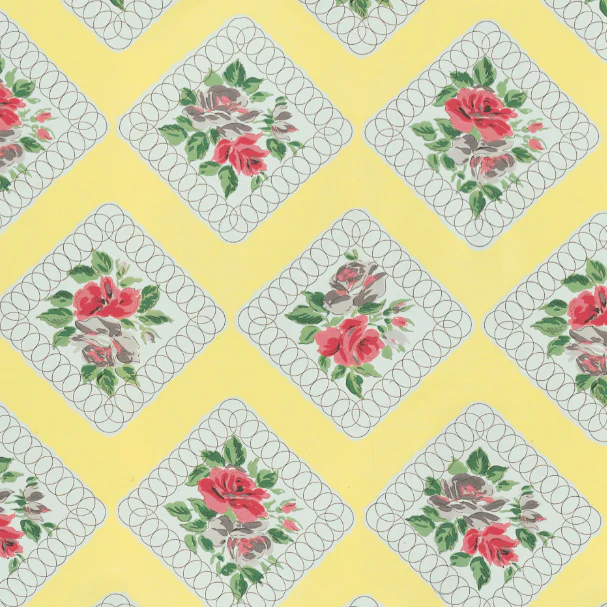
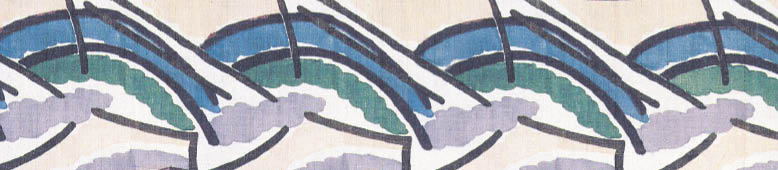
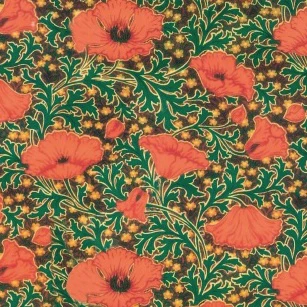
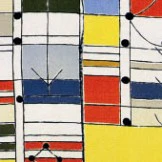
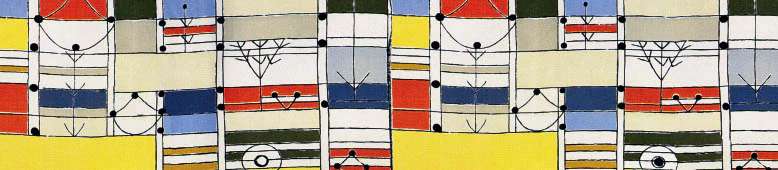
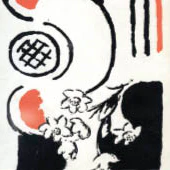
The endpaper is taken from the original 1953 jacket design for A Writer's Diary by Vanessa Bell
Picture Caption
Virginia Woolf, 1927
Original: $53.62
-65%$53.62
$18.77More Images
A Writer’s Diary
PREFACE BY LYNDALL GORDON
392pp
ISBN 9781903155882
Virginia Woolf’s A Writer's Diary, first published in 1953, consists of extracts from the diaries she kept from 1918-41, gathered together by her husband Leonard Woolf to show her in the act of writing, when ‘she reveals, more nakedly perhaps than any other writer has done, the exquisite pleasure and pains... of artistic creation.’
Because this is a writer’s diary – when Leonard Woolf went through the thirty manuscript volumes, which would then be published in full in five printed volumes between 1977 and 1984, he only selected passages that related to her intellectual life. The reason he did this – and it seems extraordinary looking back over sixty years – is that he wished to restore Virginia Woolf ’s reputation as a serious writer, since it was then at a very low ebb.
Famously, Virginia Woolf's work was not read by the general public or taught in schools or universities in the 1960s. Although there had been some critical books on her, for example Winifred Holtby’s in the 1930s and Joan Bennett’s in the 1940s, she was not rated. Few people read her, few literary critics were interested in her, and the general perception of her nowadays as the most important female writer of the twentieth century, perhaps the most important writer of the twentieth century, would have astonished her and astonished her husband.
But although edited in the early 1950s, and although to some extent superseded by the complete five volumes of diaries, A Writer's Diary remains a crucial book. Yet like Etty Hillesum’s An Interrupted Life, Persephone Book No.5 and like Katherine Mansfield’s Journal, Persephone Book No. 69, the diary was obviously not written in order to be read straight through, indeed none of these three volumes were written as a book: all are compilations by later editors.
‘Here,’ writes Lyndall Gordon in her Persephone Preface, ‘assembled in the ready compass of A Writer's Diary, is all that brings Virginia Woolf to the brink of her works, from the age of 36 in 1918 when she is writing her second novel, Night and Day, until the age of 59 in 1941 when she is completing her last novel, Between the Acts. What happens “between the acts” can be as fascinating as a polished work or platform speech: it’s the unseen drama of making, with its struggles and breakthroughs.
‘Rereading A Writer's Diary thirty years on, I’m struck by its concentration on acts of greatness day by day, year by year. In the full diary the creative acts are inevitably dispersed because she’s recording much else. So it is that as a distillation of the creator’s relation to her creation, as well as to her critics and public, A Writer's Diary is a masterpiece in its own right.’
Endpaper
The endpaper is taken from the original 1953 jacket design for A Writer's Diary by Vanessa Bell
Picture Caption
Virginia Woolf, 1927
Product Information
Product Information
Shipping & Returns
Shipping & Returns
Description
PREFACE BY LYNDALL GORDON
392pp
ISBN 9781903155882
Virginia Woolf’s A Writer's Diary, first published in 1953, consists of extracts from the diaries she kept from 1918-41, gathered together by her husband Leonard Woolf to show her in the act of writing, when ‘she reveals, more nakedly perhaps than any other writer has done, the exquisite pleasure and pains... of artistic creation.’
Because this is a writer’s diary – when Leonard Woolf went through the thirty manuscript volumes, which would then be published in full in five printed volumes between 1977 and 1984, he only selected passages that related to her intellectual life. The reason he did this – and it seems extraordinary looking back over sixty years – is that he wished to restore Virginia Woolf ’s reputation as a serious writer, since it was then at a very low ebb.
Famously, Virginia Woolf's work was not read by the general public or taught in schools or universities in the 1960s. Although there had been some critical books on her, for example Winifred Holtby’s in the 1930s and Joan Bennett’s in the 1940s, she was not rated. Few people read her, few literary critics were interested in her, and the general perception of her nowadays as the most important female writer of the twentieth century, perhaps the most important writer of the twentieth century, would have astonished her and astonished her husband.
But although edited in the early 1950s, and although to some extent superseded by the complete five volumes of diaries, A Writer's Diary remains a crucial book. Yet like Etty Hillesum’s An Interrupted Life, Persephone Book No.5 and like Katherine Mansfield’s Journal, Persephone Book No. 69, the diary was obviously not written in order to be read straight through, indeed none of these three volumes were written as a book: all are compilations by later editors.
‘Here,’ writes Lyndall Gordon in her Persephone Preface, ‘assembled in the ready compass of A Writer's Diary, is all that brings Virginia Woolf to the brink of her works, from the age of 36 in 1918 when she is writing her second novel, Night and Day, until the age of 59 in 1941 when she is completing her last novel, Between the Acts. What happens “between the acts” can be as fascinating as a polished work or platform speech: it’s the unseen drama of making, with its struggles and breakthroughs.
‘Rereading A Writer's Diary thirty years on, I’m struck by its concentration on acts of greatness day by day, year by year. In the full diary the creative acts are inevitably dispersed because she’s recording much else. So it is that as a distillation of the creator’s relation to her creation, as well as to her critics and public, A Writer's Diary is a masterpiece in its own right.’
Endpaper
The endpaper is taken from the original 1953 jacket design for A Writer's Diary by Vanessa Bell
Picture Caption
Virginia Woolf, 1927