Alas, Poor Lady

464pp
ISBN 9781903155554
By the time Rachel Ferguson wrote Alas, Poor Lady in 1937 it was possible to look back with horror and disbelief at what had happened to the daughters of extravagantly large Victorian families, victims of ‘parental incompetence’ (p107), who did not manage, through ineptitude or plainness or bad luck, to catch a husband.
This novel is in the Lytton Strachey tradition of furious anger with those who had gone before. There were thousands of women who had been condemned to become distressed gentlefolk, dependent for their livelihood (unless they had been fortunate enough to inherit wealth) to seek work as governesses and companions, often in families that did not treat them well. When they could not find work they were reduced to virtual penury. In the opening, 1936, chapter the question is asked: ‘But – how does it happen? How does it happen?’
The finger of blame in Alas, Poor Lady is cast less at the men (since the system favoured them in all respects why would they seek to change it?) but at the matriarch who is too lazy, too unthinking to want to change things for her numerous daughters. It is Mrs Scrimgeour in her large house in Kensington who is the real culprit, being selfish, evasive and lacking in any concern for her daughters beyond that of trying to make sure they fulfil society’s expectations of them. She fails to train them to be attractive to men or to find ways of occupying themselves; the most important thing, her daughters wearily accept, is that ‘a family of your own, one saw, saved your face’ (p117).
As Ruth Adam writes in her section headed ‘The Superfluous Woman’ in A Woman’s Place (Persephone book no. 20, which provides the historical background to many of the issues explored in Persephone novels): ‘On the whole the man’s world which came to an end with the Great War was a pleasant enough one for wives – at least compared with any previous period. But it was a very harsh world indeed in which to be a spinster. Spinsters had to face the fact that they were a nuisance to everybody, because there was no provision for them to be independent of a man’s help, in an economy set up by males for males.’
At the time of the 1911 census, when Grace Scrimgeour is 40, 30% of women were unmarried; like other Persephone novels such as EM Delafield’s Consequences (1919), and Lettice Cooper’s The New House (1936), Persephone book Nos. 13 and 47, Alas, Poor Lady focuses on society’s failure to provide for this third, or to consider these spinsters anything but an embarrassment. ‘The fear of tomorrow and all the tomorrows filled her. The time there was! Whereas men filled it to the brim, a woman’s life was one of eternal waiting, to be taken out, called on, danced with or proposed to. How had it originated, this division of opportunity?’
As Winifred Holtby wrote at the end of the 1930s, ‘the once traditional contempt of the spinster was a thing of the past’ so that by then Rachel Ferguson’s novel had become an indictment of the past rather than a polemic about continuing injustices. Alas, Poor Lady, which ends in 1936, traces the life of Grace Scrimgeour and her family over the decades from 1870 onwards: we watch what happens to her in relation to her soldier brother Charlie and her sisters (Gertie, Georgie, Aggie, Arabella, Mary, Queenie...). Imprisoned at home while some of her sisters escape into marriage, she fills her days with trivia such as tapestry: the Victorian spinster, after all, sewed rather than spun (‘Aggie was staring out of the window, Queenie working as if for a wager at a tapestry runner’ – hence our endpaper). Eventually, because of her mother’s financial improvidence, Grace has to become a governess; but at last finds some limited independence and happiness.
Alas, Poor Lady is Rachel Ferguson’s best and most readable book (she is also the author of The Brontes went to Woolworths; however, we consider this to be the stronger novel). ‘Grace was thirty. A despairing knowledge that only frantic absorption in house and friends could temporarily stifle... [Her niece] had had a baby, years ago... Once, forgetful, she had told her mother of the baby’s charm and cried, “I wish she was mine!” and Mrs Scrimgeour had been shocked. “You had better not go about saying that, Grace.” You were a failure if you didn’t have a baby, but a disgrace if you wanted one, and said so.’
Endpaper
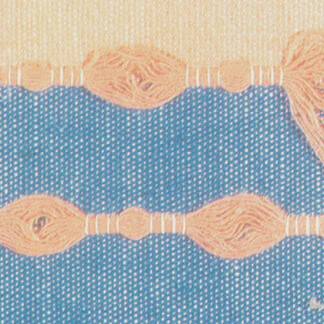
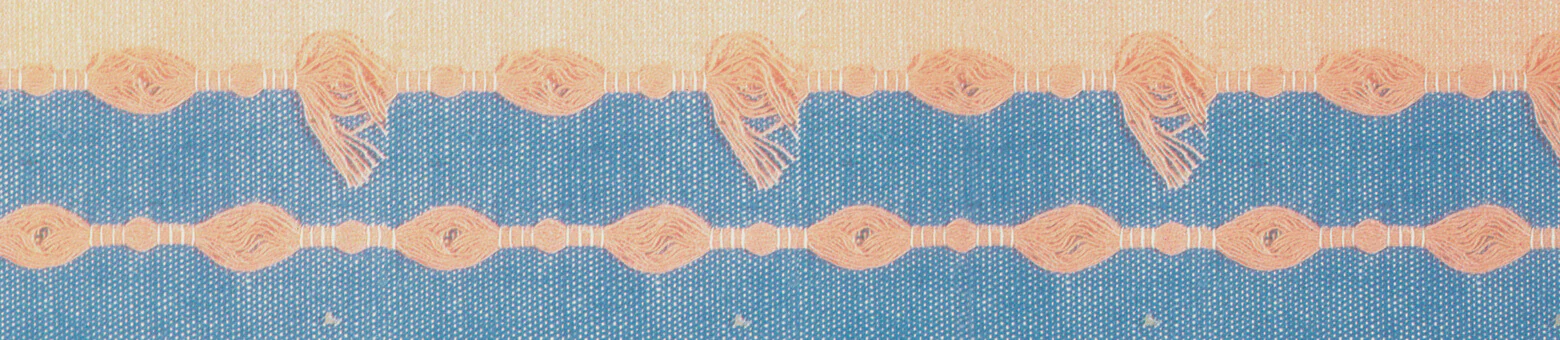
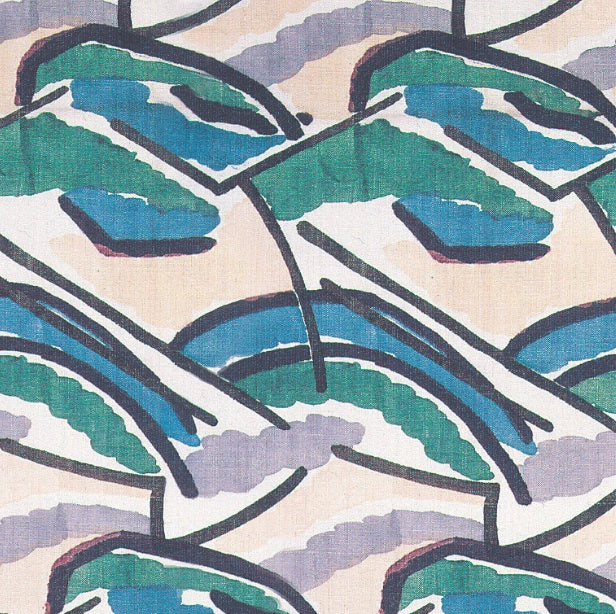
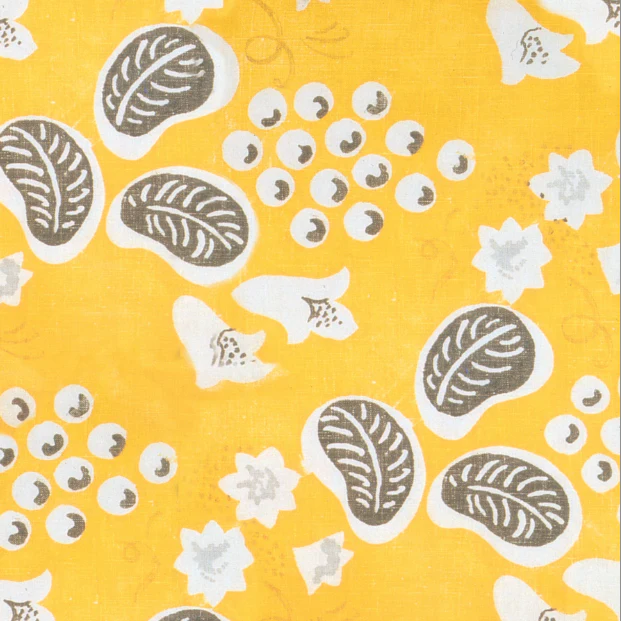
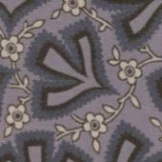
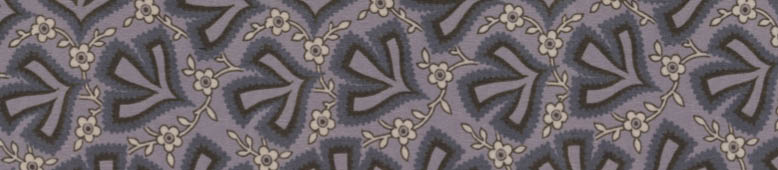
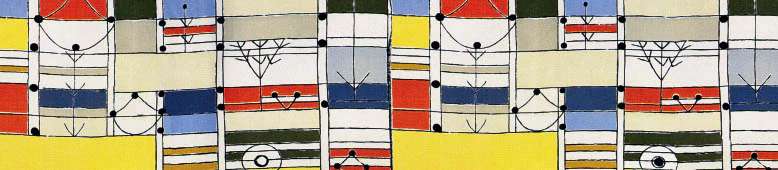
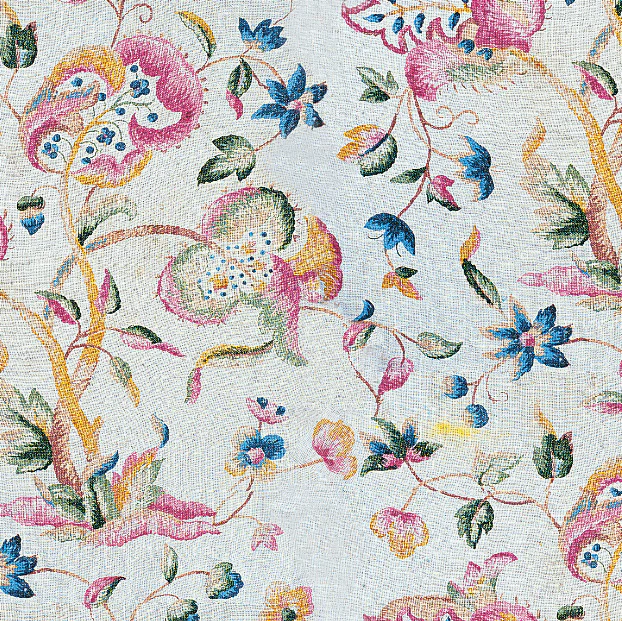
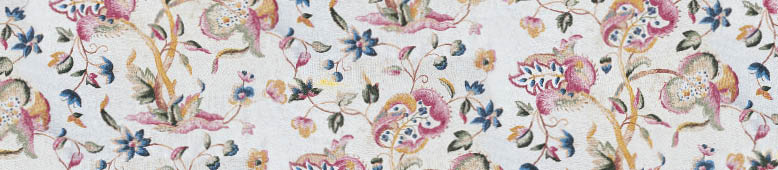
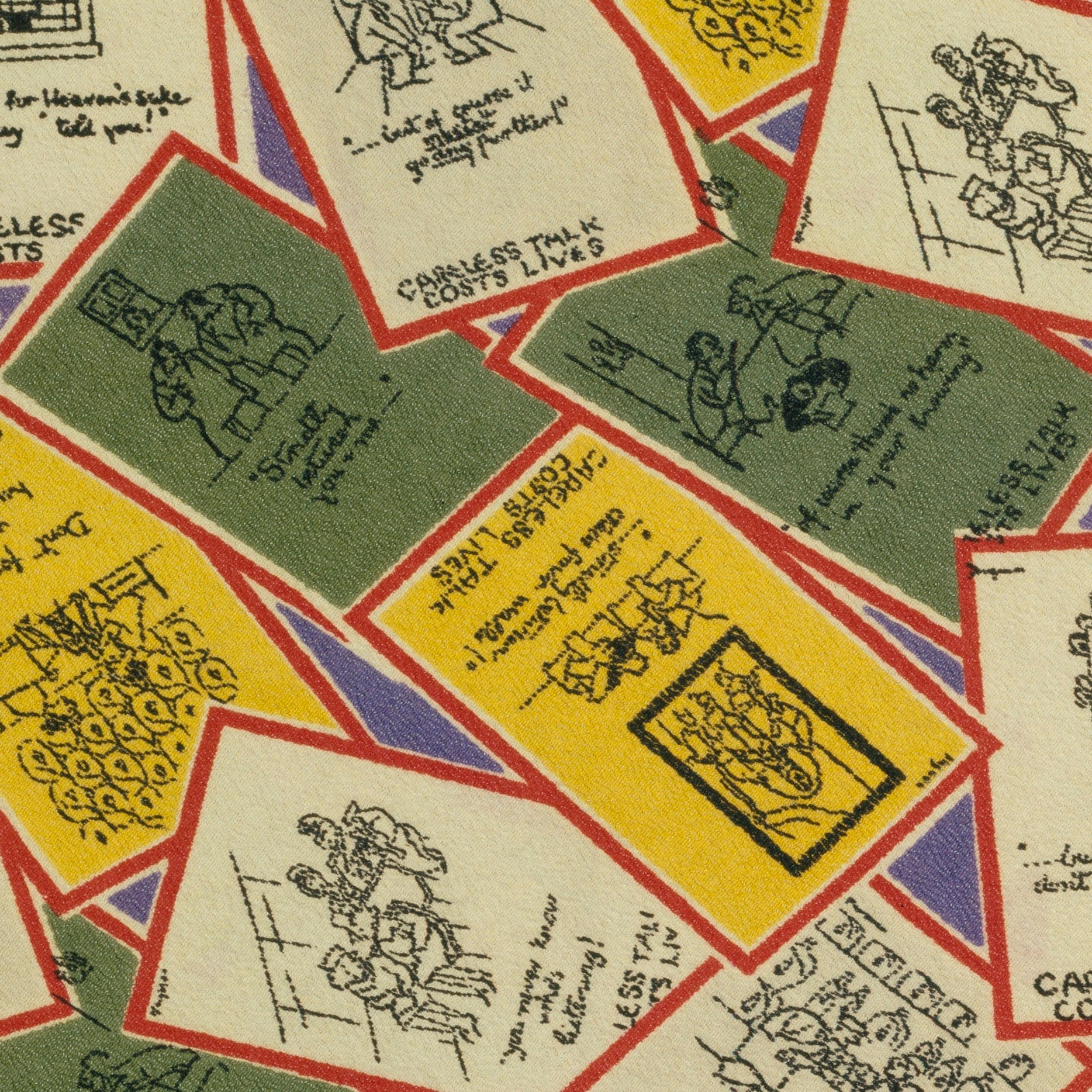
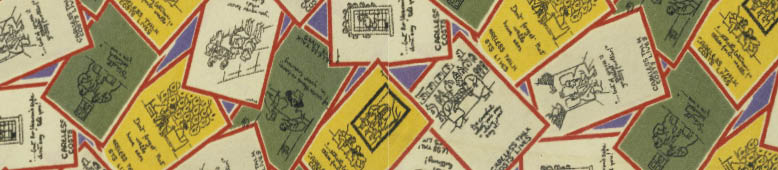
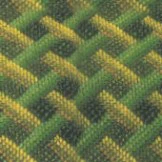
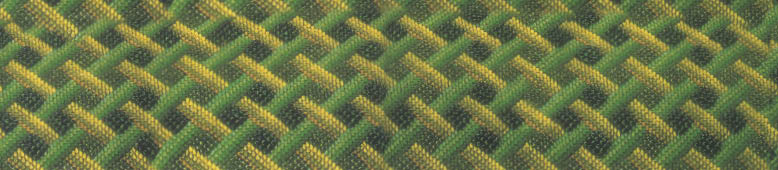
Endpapers taken from an early twentieth-century bargello tapestry in a private collection. The rather dreary colours and the pointless yet time-consuming nature of tapestry work is symbolic of the lives of the Scrimgeour sisters.
Picture Caption
The first students at Girton in 1869, the year of Grace Scrimgeour's birth. Things were changing, but not fast enough for the Scrimgeour sisters.
Original: $53.62
-65%$53.62
$18.77More Images
Alas, Poor Lady
464pp
ISBN 9781903155554
By the time Rachel Ferguson wrote Alas, Poor Lady in 1937 it was possible to look back with horror and disbelief at what had happened to the daughters of extravagantly large Victorian families, victims of ‘parental incompetence’ (p107), who did not manage, through ineptitude or plainness or bad luck, to catch a husband.
This novel is in the Lytton Strachey tradition of furious anger with those who had gone before. There were thousands of women who had been condemned to become distressed gentlefolk, dependent for their livelihood (unless they had been fortunate enough to inherit wealth) to seek work as governesses and companions, often in families that did not treat them well. When they could not find work they were reduced to virtual penury. In the opening, 1936, chapter the question is asked: ‘But – how does it happen? How does it happen?’
The finger of blame in Alas, Poor Lady is cast less at the men (since the system favoured them in all respects why would they seek to change it?) but at the matriarch who is too lazy, too unthinking to want to change things for her numerous daughters. It is Mrs Scrimgeour in her large house in Kensington who is the real culprit, being selfish, evasive and lacking in any concern for her daughters beyond that of trying to make sure they fulfil society’s expectations of them. She fails to train them to be attractive to men or to find ways of occupying themselves; the most important thing, her daughters wearily accept, is that ‘a family of your own, one saw, saved your face’ (p117).
As Ruth Adam writes in her section headed ‘The Superfluous Woman’ in A Woman’s Place (Persephone book no. 20, which provides the historical background to many of the issues explored in Persephone novels): ‘On the whole the man’s world which came to an end with the Great War was a pleasant enough one for wives – at least compared with any previous period. But it was a very harsh world indeed in which to be a spinster. Spinsters had to face the fact that they were a nuisance to everybody, because there was no provision for them to be independent of a man’s help, in an economy set up by males for males.’
At the time of the 1911 census, when Grace Scrimgeour is 40, 30% of women were unmarried; like other Persephone novels such as EM Delafield’s Consequences (1919), and Lettice Cooper’s The New House (1936), Persephone book Nos. 13 and 47, Alas, Poor Lady focuses on society’s failure to provide for this third, or to consider these spinsters anything but an embarrassment. ‘The fear of tomorrow and all the tomorrows filled her. The time there was! Whereas men filled it to the brim, a woman’s life was one of eternal waiting, to be taken out, called on, danced with or proposed to. How had it originated, this division of opportunity?’
As Winifred Holtby wrote at the end of the 1930s, ‘the once traditional contempt of the spinster was a thing of the past’ so that by then Rachel Ferguson’s novel had become an indictment of the past rather than a polemic about continuing injustices. Alas, Poor Lady, which ends in 1936, traces the life of Grace Scrimgeour and her family over the decades from 1870 onwards: we watch what happens to her in relation to her soldier brother Charlie and her sisters (Gertie, Georgie, Aggie, Arabella, Mary, Queenie...). Imprisoned at home while some of her sisters escape into marriage, she fills her days with trivia such as tapestry: the Victorian spinster, after all, sewed rather than spun (‘Aggie was staring out of the window, Queenie working as if for a wager at a tapestry runner’ – hence our endpaper). Eventually, because of her mother’s financial improvidence, Grace has to become a governess; but at last finds some limited independence and happiness.
Alas, Poor Lady is Rachel Ferguson’s best and most readable book (she is also the author of The Brontes went to Woolworths; however, we consider this to be the stronger novel). ‘Grace was thirty. A despairing knowledge that only frantic absorption in house and friends could temporarily stifle... [Her niece] had had a baby, years ago... Once, forgetful, she had told her mother of the baby’s charm and cried, “I wish she was mine!” and Mrs Scrimgeour had been shocked. “You had better not go about saying that, Grace.” You were a failure if you didn’t have a baby, but a disgrace if you wanted one, and said so.’
Endpaper
Endpapers taken from an early twentieth-century bargello tapestry in a private collection. The rather dreary colours and the pointless yet time-consuming nature of tapestry work is symbolic of the lives of the Scrimgeour sisters.
Picture Caption
The first students at Girton in 1869, the year of Grace Scrimgeour's birth. Things were changing, but not fast enough for the Scrimgeour sisters.
Product Information
Product Information
Shipping & Returns
Shipping & Returns
Description
464pp
ISBN 9781903155554
By the time Rachel Ferguson wrote Alas, Poor Lady in 1937 it was possible to look back with horror and disbelief at what had happened to the daughters of extravagantly large Victorian families, victims of ‘parental incompetence’ (p107), who did not manage, through ineptitude or plainness or bad luck, to catch a husband.
This novel is in the Lytton Strachey tradition of furious anger with those who had gone before. There were thousands of women who had been condemned to become distressed gentlefolk, dependent for their livelihood (unless they had been fortunate enough to inherit wealth) to seek work as governesses and companions, often in families that did not treat them well. When they could not find work they were reduced to virtual penury. In the opening, 1936, chapter the question is asked: ‘But – how does it happen? How does it happen?’
The finger of blame in Alas, Poor Lady is cast less at the men (since the system favoured them in all respects why would they seek to change it?) but at the matriarch who is too lazy, too unthinking to want to change things for her numerous daughters. It is Mrs Scrimgeour in her large house in Kensington who is the real culprit, being selfish, evasive and lacking in any concern for her daughters beyond that of trying to make sure they fulfil society’s expectations of them. She fails to train them to be attractive to men or to find ways of occupying themselves; the most important thing, her daughters wearily accept, is that ‘a family of your own, one saw, saved your face’ (p117).
As Ruth Adam writes in her section headed ‘The Superfluous Woman’ in A Woman’s Place (Persephone book no. 20, which provides the historical background to many of the issues explored in Persephone novels): ‘On the whole the man’s world which came to an end with the Great War was a pleasant enough one for wives – at least compared with any previous period. But it was a very harsh world indeed in which to be a spinster. Spinsters had to face the fact that they were a nuisance to everybody, because there was no provision for them to be independent of a man’s help, in an economy set up by males for males.’
At the time of the 1911 census, when Grace Scrimgeour is 40, 30% of women were unmarried; like other Persephone novels such as EM Delafield’s Consequences (1919), and Lettice Cooper’s The New House (1936), Persephone book Nos. 13 and 47, Alas, Poor Lady focuses on society’s failure to provide for this third, or to consider these spinsters anything but an embarrassment. ‘The fear of tomorrow and all the tomorrows filled her. The time there was! Whereas men filled it to the brim, a woman’s life was one of eternal waiting, to be taken out, called on, danced with or proposed to. How had it originated, this division of opportunity?’
As Winifred Holtby wrote at the end of the 1930s, ‘the once traditional contempt of the spinster was a thing of the past’ so that by then Rachel Ferguson’s novel had become an indictment of the past rather than a polemic about continuing injustices. Alas, Poor Lady, which ends in 1936, traces the life of Grace Scrimgeour and her family over the decades from 1870 onwards: we watch what happens to her in relation to her soldier brother Charlie and her sisters (Gertie, Georgie, Aggie, Arabella, Mary, Queenie...). Imprisoned at home while some of her sisters escape into marriage, she fills her days with trivia such as tapestry: the Victorian spinster, after all, sewed rather than spun (‘Aggie was staring out of the window, Queenie working as if for a wager at a tapestry runner’ – hence our endpaper). Eventually, because of her mother’s financial improvidence, Grace has to become a governess; but at last finds some limited independence and happiness.
Alas, Poor Lady is Rachel Ferguson’s best and most readable book (she is also the author of The Brontes went to Woolworths; however, we consider this to be the stronger novel). ‘Grace was thirty. A despairing knowledge that only frantic absorption in house and friends could temporarily stifle... [Her niece] had had a baby, years ago... Once, forgetful, she had told her mother of the baby’s charm and cried, “I wish she was mine!” and Mrs Scrimgeour had been shocked. “You had better not go about saying that, Grace.” You were a failure if you didn’t have a baby, but a disgrace if you wanted one, and said so.’
Endpaper
Endpapers taken from an early twentieth-century bargello tapestry in a private collection. The rather dreary colours and the pointless yet time-consuming nature of tapestry work is symbolic of the lives of the Scrimgeour sisters.
Picture Caption
The first students at Girton in 1869, the year of Grace Scrimgeour's birth. Things were changing, but not fast enough for the Scrimgeour sisters.