Minnie’s Room: The Peacetime Stories of Mollie Panter-Downes

WITH A PUBLISHER'S NOTE
144pp
ISBN 9781903155240
A companion volume to Persephone book No. 8 Good Evening, Mrs Craven:The Wartime Stories of Mollie Panter-Downes, Minnie's Room contains ten stories written between 1947 and 1965, each of them describing an aspect of life in Britain in the years after World War Two.
The title story 'Minnie's Room' was the first thing the author wrote after finishing One Fine Day, which is in our view one of the great novels of the twentieth century; it is about a family who are unable to believe that their maid wants to leave them to live in a room of her own. An elderly couple emigrates to South Africa because of 'the dragon out to gobble their modest, honourable incomes.' The brothers and sisters in 'Beside the Still Waters' grumble because: 'Everything is so terribly difficult nowadays. [We] seem to be slaving... trying to keep the place going.'
Each story is very much of its period, which means that, as with all Persephone books, they can be read for the light they cast on the era in which they were written as much as for the fine writing, the plots or the psychological insight. Mollie Panter-Downes allows the reader to get behind the historical cliches to find out what life was really like.
These 'acute, funny and poignant stories' (Daily Telegraph) reveal 'an unerring observer, with a stunning gift for economy of description' (The Times). Mollie Panter-Downes, said the Spectator, 'is discomfortingly good at anatomising the crudities and subtleties of snobbery – but she is never unkind.'
Many of the stories in Minnie's Room are about people who once had glorious lives, either because they were more affluent or because they were powerful in India or simply because they had once been young and were now old. In every case they are images of a once-great past brought low. Yet they have a subtle, very English depth of observation: they are revealing of their time, suggestive and funny, beautifully written explorations of the response to change, and of loneliness, loss and self deception.
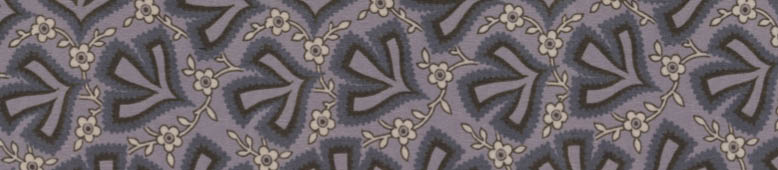
Endpaper
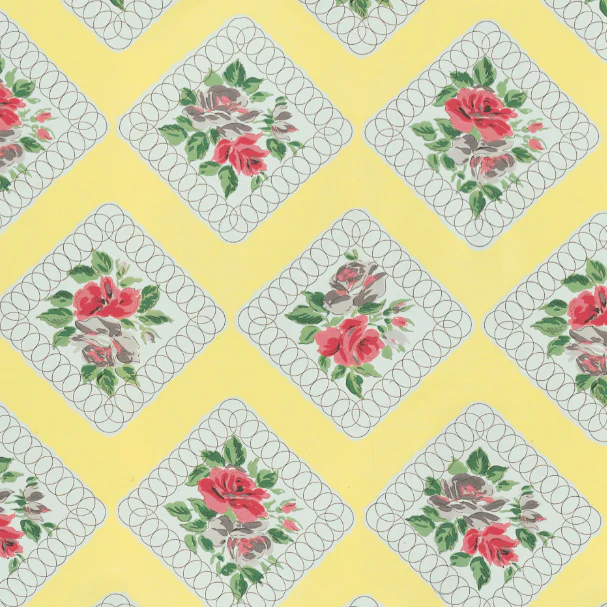
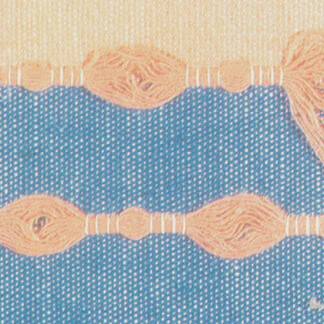
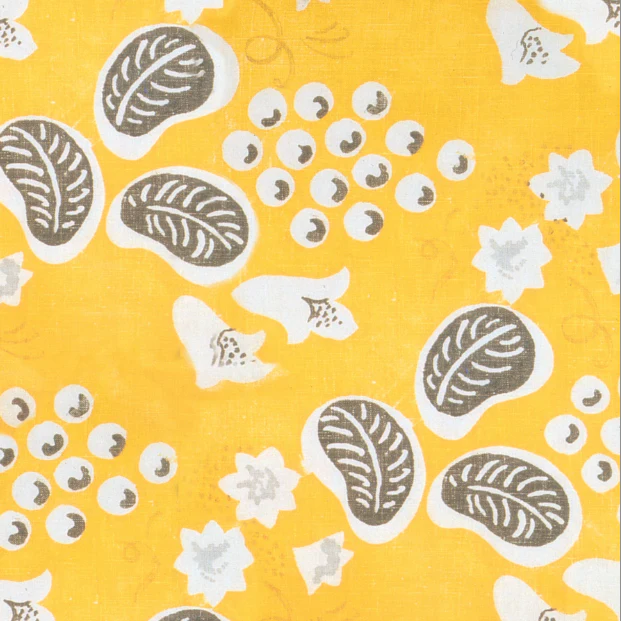
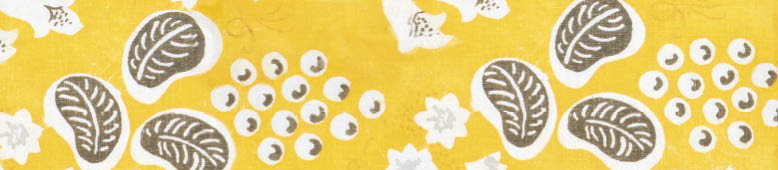
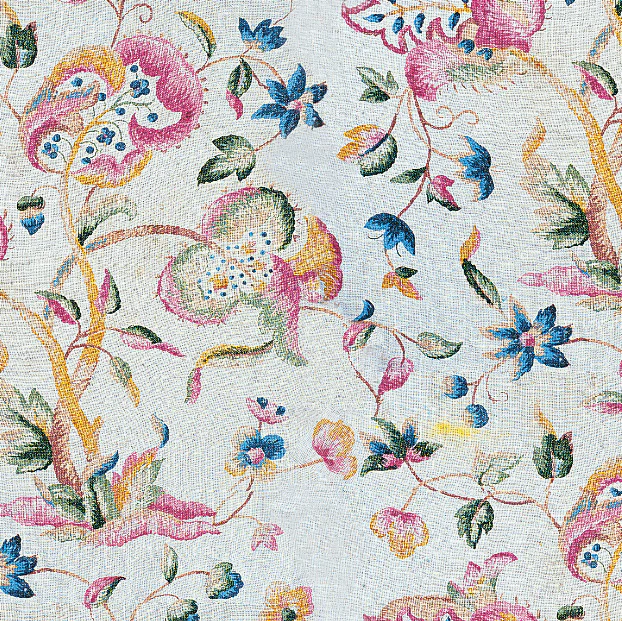
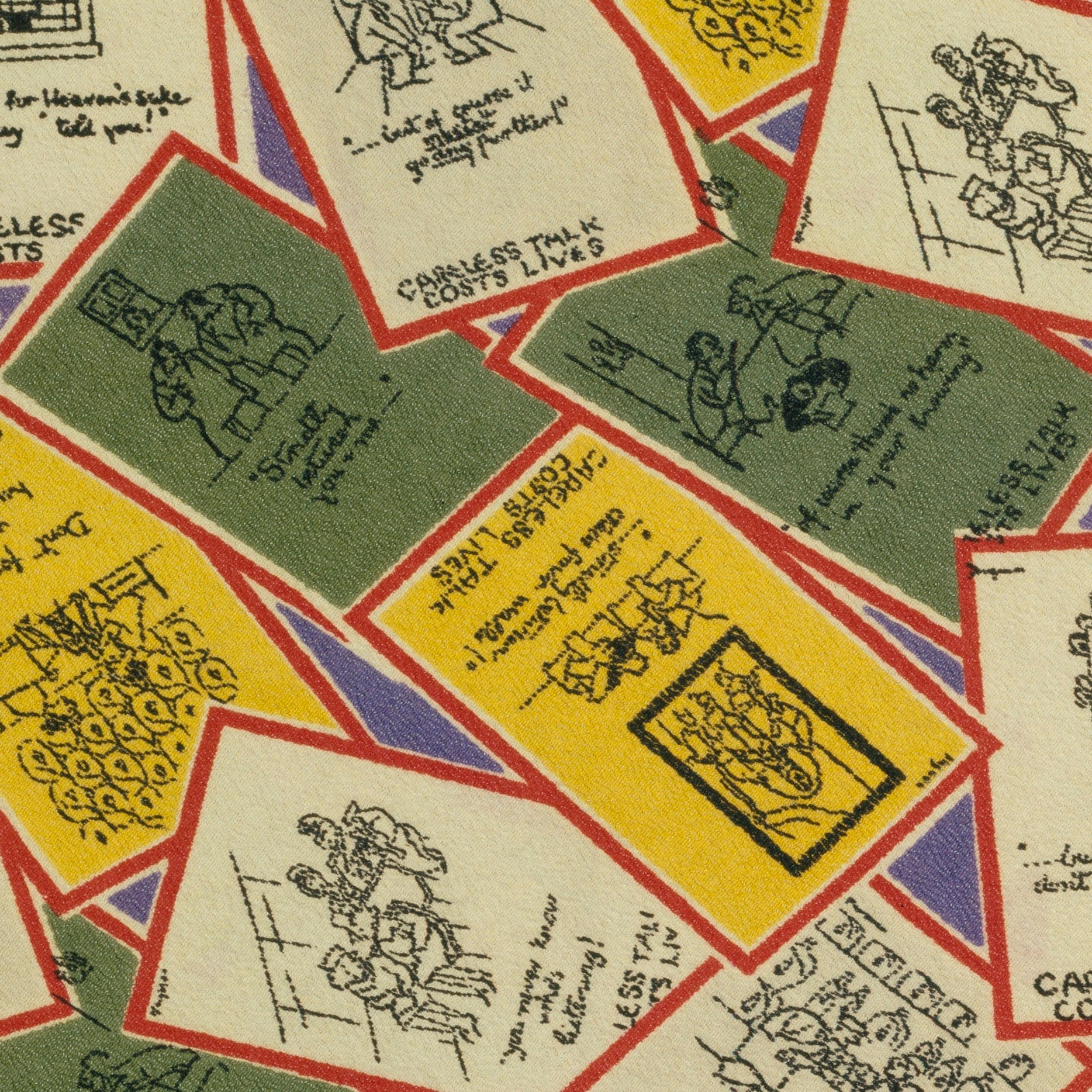
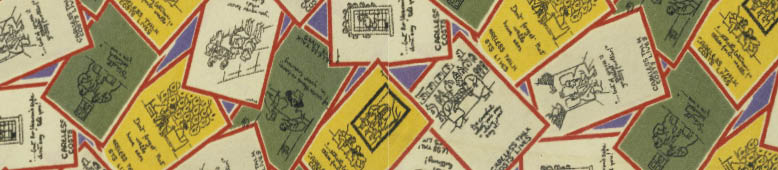
The endpaper is a fabric bought at John Lewis in the mid-1950s. It is both traditional and modernist, while the sombre colours suit the mood of the stories.
Picture Caption
High Street Colchester 1950 by Charles Debenham
Original: $53.62
-65%$53.62
$18.77More Images

Minnie’s Room: The Peacetime Stories of Mollie Panter-Downes
WITH A PUBLISHER'S NOTE
144pp
ISBN 9781903155240
A companion volume to Persephone book No. 8 Good Evening, Mrs Craven:The Wartime Stories of Mollie Panter-Downes, Minnie's Room contains ten stories written between 1947 and 1965, each of them describing an aspect of life in Britain in the years after World War Two.
The title story 'Minnie's Room' was the first thing the author wrote after finishing One Fine Day, which is in our view one of the great novels of the twentieth century; it is about a family who are unable to believe that their maid wants to leave them to live in a room of her own. An elderly couple emigrates to South Africa because of 'the dragon out to gobble their modest, honourable incomes.' The brothers and sisters in 'Beside the Still Waters' grumble because: 'Everything is so terribly difficult nowadays. [We] seem to be slaving... trying to keep the place going.'
Each story is very much of its period, which means that, as with all Persephone books, they can be read for the light they cast on the era in which they were written as much as for the fine writing, the plots or the psychological insight. Mollie Panter-Downes allows the reader to get behind the historical cliches to find out what life was really like.
These 'acute, funny and poignant stories' (Daily Telegraph) reveal 'an unerring observer, with a stunning gift for economy of description' (The Times). Mollie Panter-Downes, said the Spectator, 'is discomfortingly good at anatomising the crudities and subtleties of snobbery – but she is never unkind.'
Many of the stories in Minnie's Room are about people who once had glorious lives, either because they were more affluent or because they were powerful in India or simply because they had once been young and were now old. In every case they are images of a once-great past brought low. Yet they have a subtle, very English depth of observation: they are revealing of their time, suggestive and funny, beautifully written explorations of the response to change, and of loneliness, loss and self deception.
Endpaper
The endpaper is a fabric bought at John Lewis in the mid-1950s. It is both traditional and modernist, while the sombre colours suit the mood of the stories.
Picture Caption
High Street Colchester 1950 by Charles Debenham
Product Information
Product Information
Shipping & Returns
Shipping & Returns
Description
WITH A PUBLISHER'S NOTE
144pp
ISBN 9781903155240
A companion volume to Persephone book No. 8 Good Evening, Mrs Craven:The Wartime Stories of Mollie Panter-Downes, Minnie's Room contains ten stories written between 1947 and 1965, each of them describing an aspect of life in Britain in the years after World War Two.
The title story 'Minnie's Room' was the first thing the author wrote after finishing One Fine Day, which is in our view one of the great novels of the twentieth century; it is about a family who are unable to believe that their maid wants to leave them to live in a room of her own. An elderly couple emigrates to South Africa because of 'the dragon out to gobble their modest, honourable incomes.' The brothers and sisters in 'Beside the Still Waters' grumble because: 'Everything is so terribly difficult nowadays. [We] seem to be slaving... trying to keep the place going.'
Each story is very much of its period, which means that, as with all Persephone books, they can be read for the light they cast on the era in which they were written as much as for the fine writing, the plots or the psychological insight. Mollie Panter-Downes allows the reader to get behind the historical cliches to find out what life was really like.
These 'acute, funny and poignant stories' (Daily Telegraph) reveal 'an unerring observer, with a stunning gift for economy of description' (The Times). Mollie Panter-Downes, said the Spectator, 'is discomfortingly good at anatomising the crudities and subtleties of snobbery – but she is never unkind.'
Many of the stories in Minnie's Room are about people who once had glorious lives, either because they were more affluent or because they were powerful in India or simply because they had once been young and were now old. In every case they are images of a once-great past brought low. Yet they have a subtle, very English depth of observation: they are revealing of their time, suggestive and funny, beautifully written explorations of the response to change, and of loneliness, loss and self deception.
Endpaper
The endpaper is a fabric bought at John Lewis in the mid-1950s. It is both traditional and modernist, while the sombre colours suit the mood of the stories.
Picture Caption
High Street Colchester 1950 by Charles Debenham