Tea with Mr Rochester

AFTERWORD BY FRANCES THOMAS
184pp
ISBN 9781903155349
Tea with Mr Rochester is by a writer who never had a book published in her lifetime. But when these captivating, unusual and at times bizarre short stories appeared posthumously in 1949, reviewers were unanimous in their praise.
Angus Wilson wrote in the New Statesman, 'It appears no exaggeration to say that Frances Towers's death in 1948 may have robbed us of a figure of more than purely contemporary significance. At first glance one might be disposed to dismiss Miss Towers as an imitation Jane Austen, but it would be a mistaken judgment, for her cool detachment and ironic eye are directed more often than not against the sensible breeze that blasts and withers... Moving in a world that is confined to the villages of the Home Counties or to the area around Cheyne Walk in London, straying only once into Bayswater in deprecation, and writing in a subtle, allusive, but formal style.. Miss Towers flashes and shines now this way, now that, like a darting sunfish.'
Meanwhile, 'at her best her prose style is a shimmering marvel,' was the view of the Independent on Sunday, 'and few writers can so deftly and economically delineate not only the outside but the inside of a character…There's always more going on than you can possibly fathom.' And the Guardian commented: 'Her social range may not be wide, but her descriptions are exquisite and her tone poised between the wry and the romantic.'
Five of the stories were read on BBC Radio 4.
Endpaper
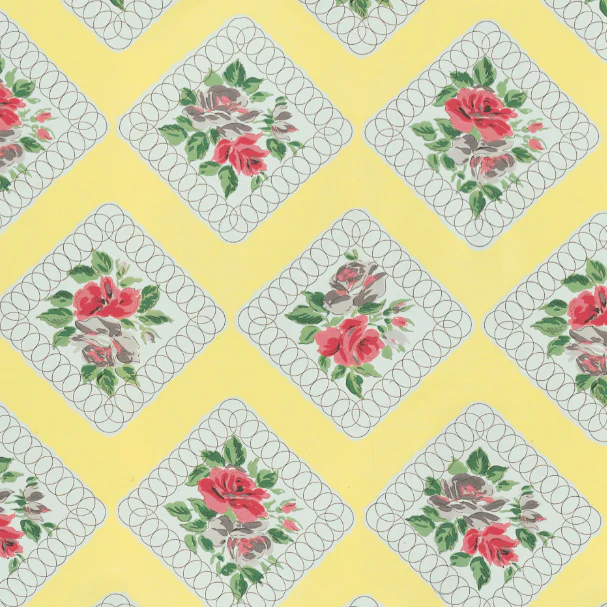
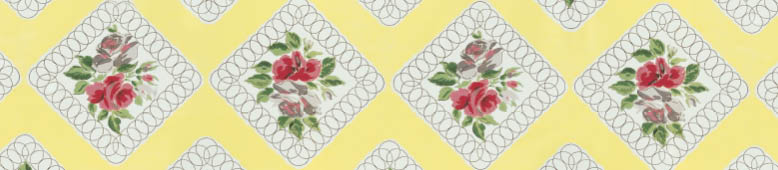
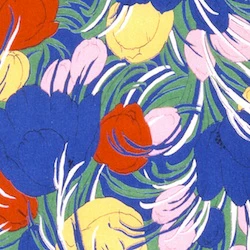
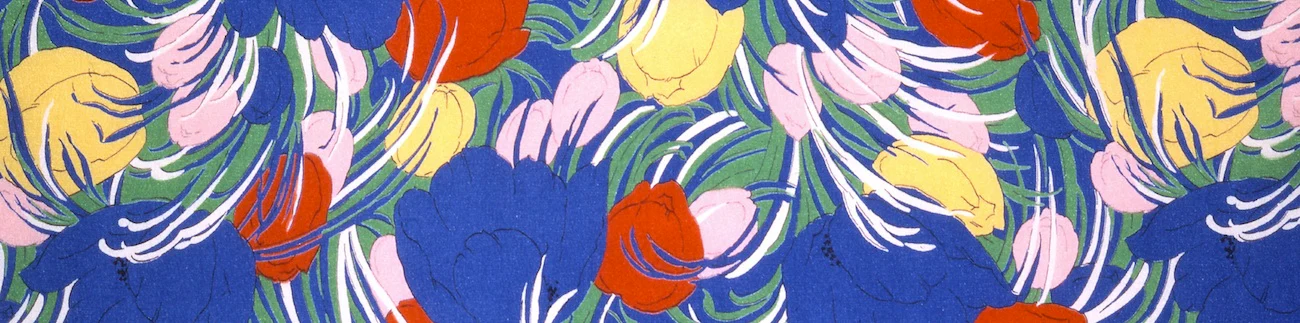
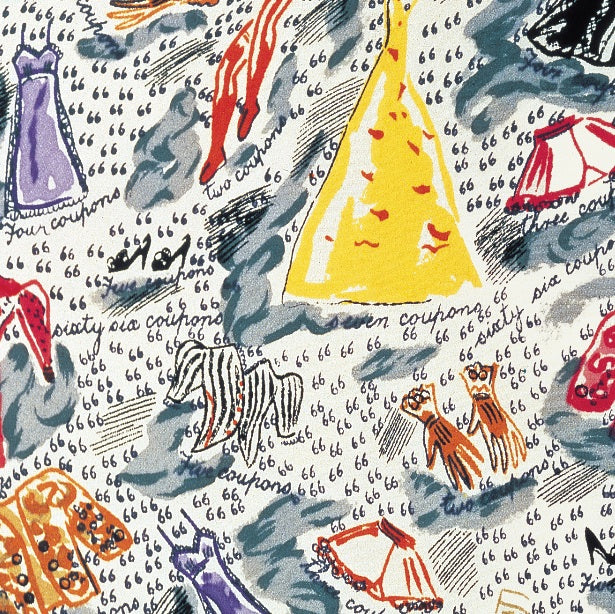
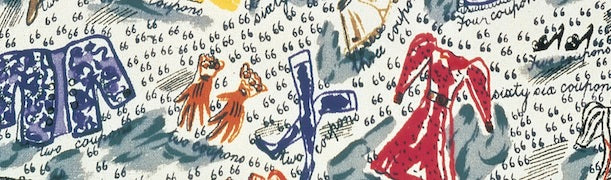
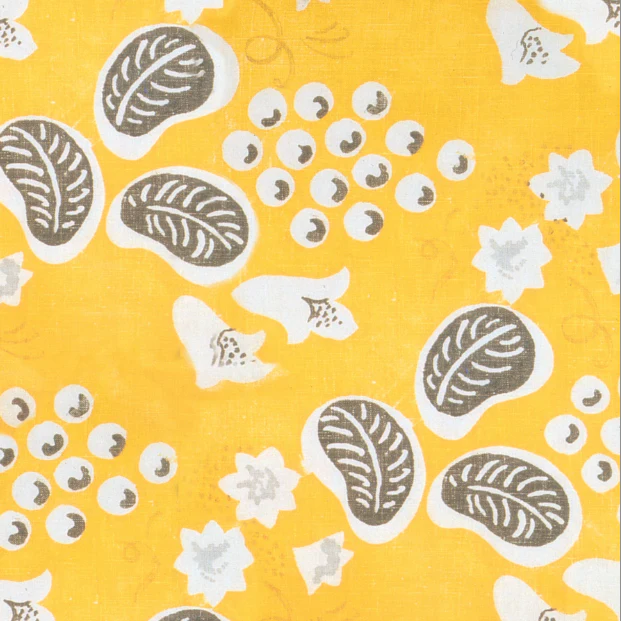
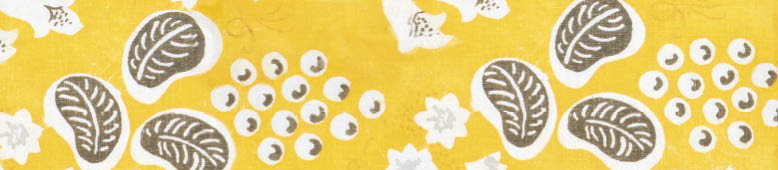
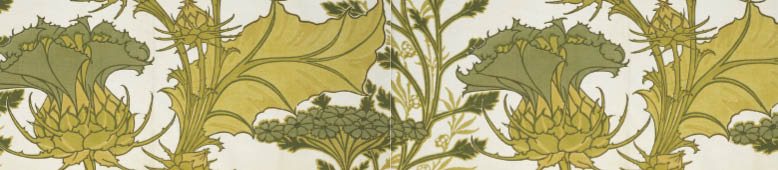
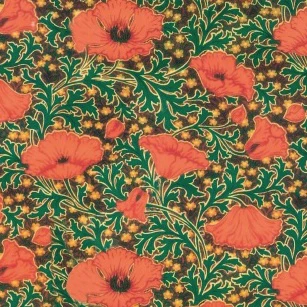
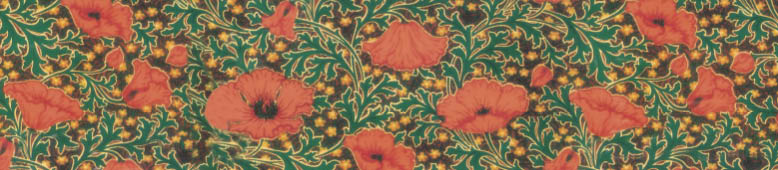
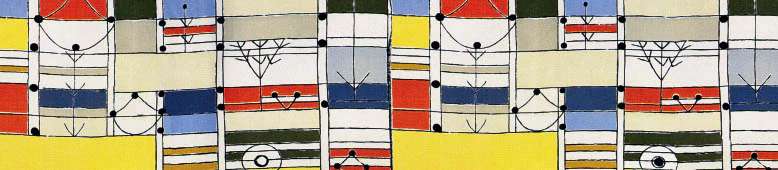
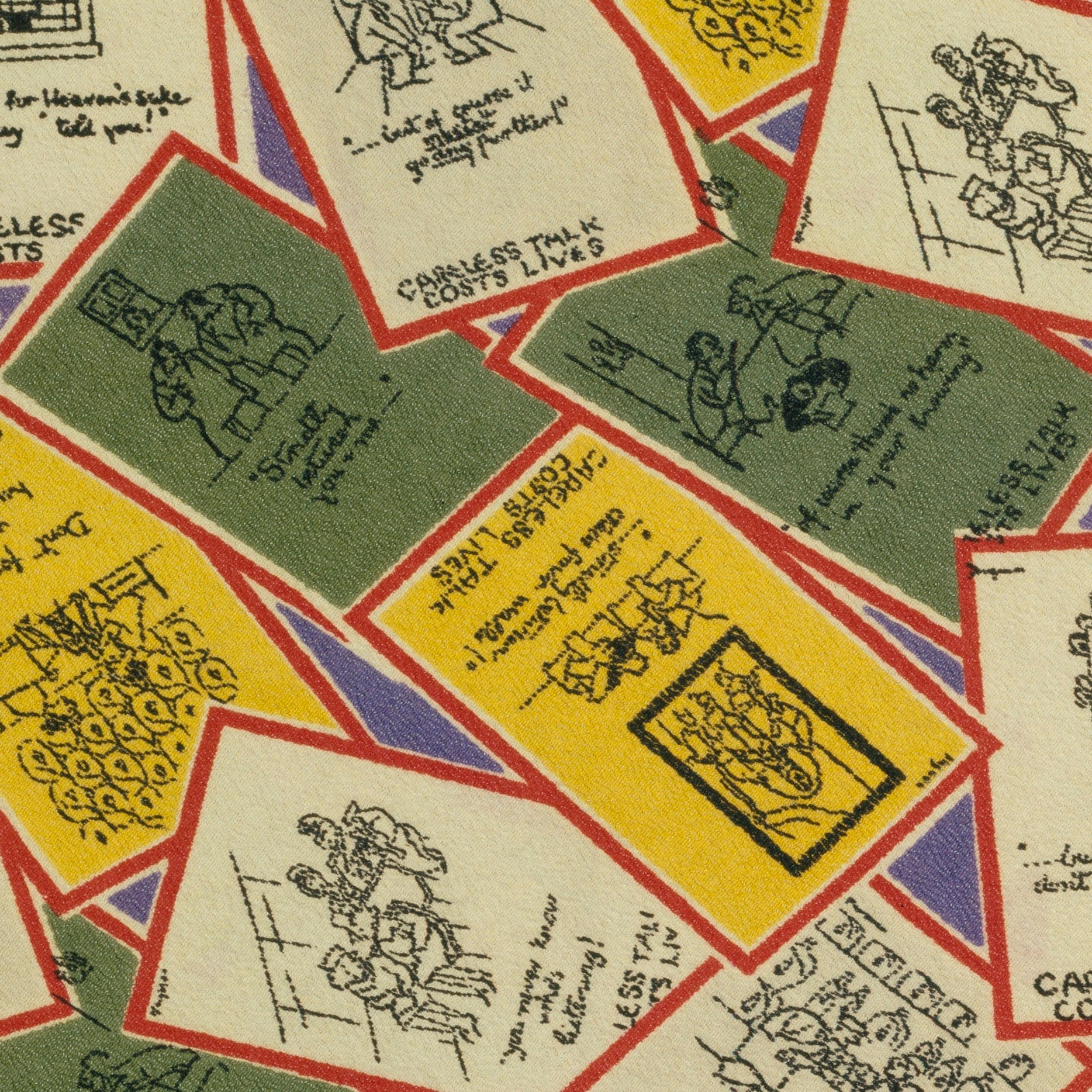
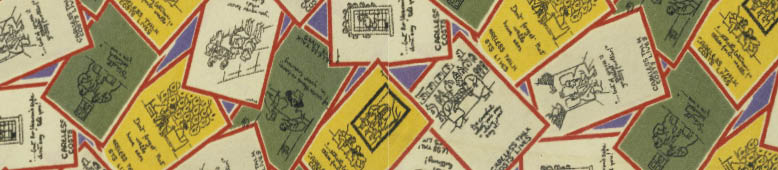
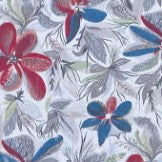
A 1949 design for a block-printed cretonne designed by the late Humphrey Spender, who very kindly allowed this fabric in his collection to be photographed for us.
Picture Caption
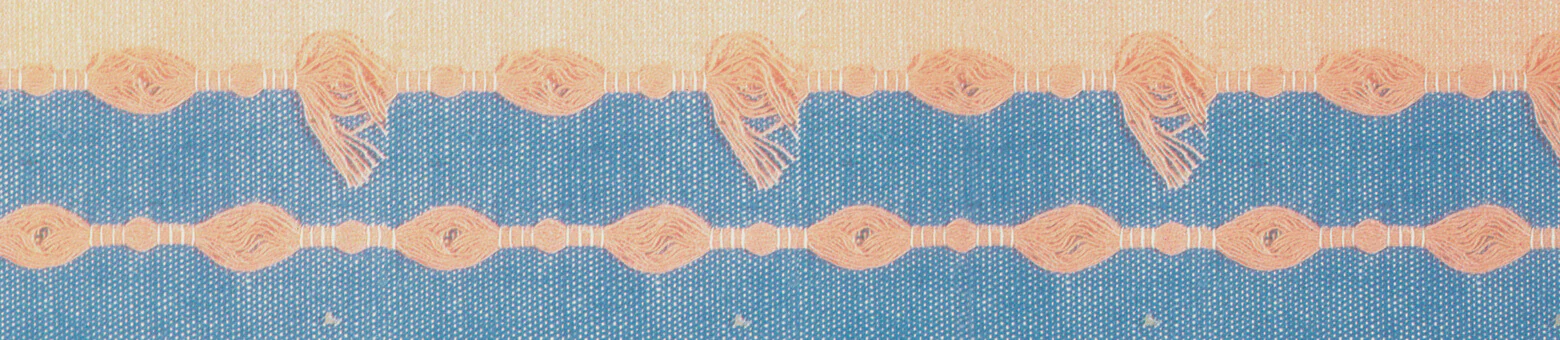
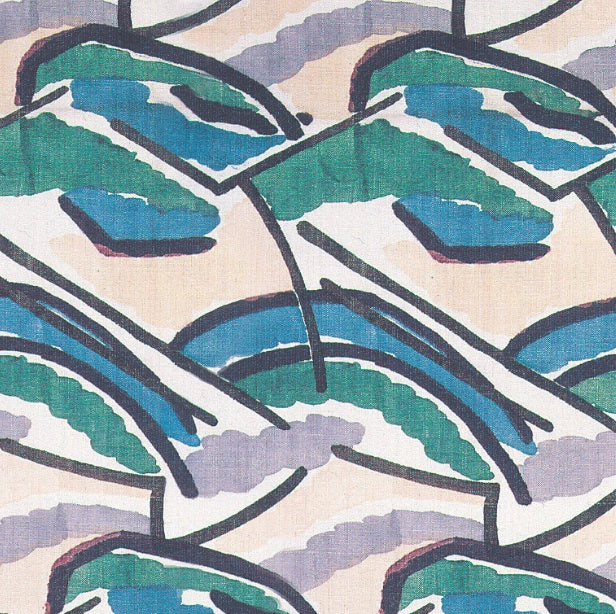
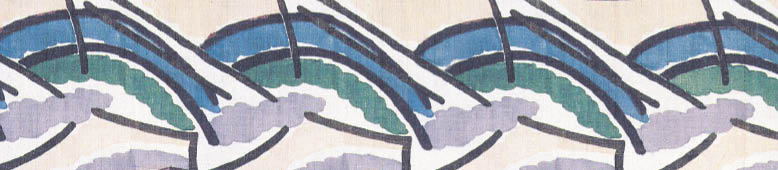
The George (1932) by John Kynnersley Kirby at Leamington Spa
Original: $53.62
-65%$53.62
$18.77More Images
Tea with Mr Rochester
AFTERWORD BY FRANCES THOMAS
184pp
ISBN 9781903155349
Tea with Mr Rochester is by a writer who never had a book published in her lifetime. But when these captivating, unusual and at times bizarre short stories appeared posthumously in 1949, reviewers were unanimous in their praise.
Angus Wilson wrote in the New Statesman, 'It appears no exaggeration to say that Frances Towers's death in 1948 may have robbed us of a figure of more than purely contemporary significance. At first glance one might be disposed to dismiss Miss Towers as an imitation Jane Austen, but it would be a mistaken judgment, for her cool detachment and ironic eye are directed more often than not against the sensible breeze that blasts and withers... Moving in a world that is confined to the villages of the Home Counties or to the area around Cheyne Walk in London, straying only once into Bayswater in deprecation, and writing in a subtle, allusive, but formal style.. Miss Towers flashes and shines now this way, now that, like a darting sunfish.'
Meanwhile, 'at her best her prose style is a shimmering marvel,' was the view of the Independent on Sunday, 'and few writers can so deftly and economically delineate not only the outside but the inside of a character…There's always more going on than you can possibly fathom.' And the Guardian commented: 'Her social range may not be wide, but her descriptions are exquisite and her tone poised between the wry and the romantic.'
Five of the stories were read on BBC Radio 4.
Endpaper
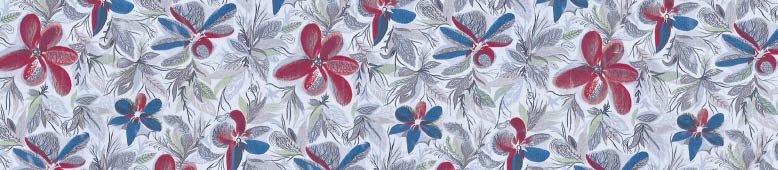
A 1949 design for a block-printed cretonne designed by the late Humphrey Spender, who very kindly allowed this fabric in his collection to be photographed for us.
Picture Caption
The George (1932) by John Kynnersley Kirby at Leamington Spa
Product Information
Product Information
Shipping & Returns
Shipping & Returns
Description
AFTERWORD BY FRANCES THOMAS
184pp
ISBN 9781903155349
Tea with Mr Rochester is by a writer who never had a book published in her lifetime. But when these captivating, unusual and at times bizarre short stories appeared posthumously in 1949, reviewers were unanimous in their praise.
Angus Wilson wrote in the New Statesman, 'It appears no exaggeration to say that Frances Towers's death in 1948 may have robbed us of a figure of more than purely contemporary significance. At first glance one might be disposed to dismiss Miss Towers as an imitation Jane Austen, but it would be a mistaken judgment, for her cool detachment and ironic eye are directed more often than not against the sensible breeze that blasts and withers... Moving in a world that is confined to the villages of the Home Counties or to the area around Cheyne Walk in London, straying only once into Bayswater in deprecation, and writing in a subtle, allusive, but formal style.. Miss Towers flashes and shines now this way, now that, like a darting sunfish.'
Meanwhile, 'at her best her prose style is a shimmering marvel,' was the view of the Independent on Sunday, 'and few writers can so deftly and economically delineate not only the outside but the inside of a character…There's always more going on than you can possibly fathom.' And the Guardian commented: 'Her social range may not be wide, but her descriptions are exquisite and her tone poised between the wry and the romantic.'
Five of the stories were read on BBC Radio 4.
Endpaper
A 1949 design for a block-printed cretonne designed by the late Humphrey Spender, who very kindly allowed this fabric in his collection to be photographed for us.
Picture Caption
The George (1932) by John Kynnersley Kirby at Leamington Spa